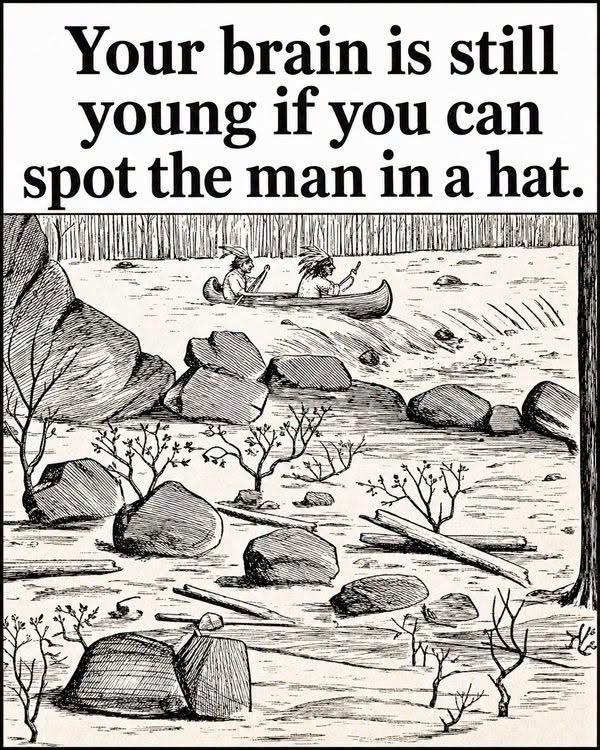
nose, and chin formed by shadows, contours, and the gaps left between objects.
How the Illusion Tricks Your Eyes
The trick isn’t finding a hidden drawing tucked into a corner. It’s recognizing how pieces that seem unrelated, a log here, a shadow there, combine into one larger face once your brain connects them.
This kind of puzzle relies on pareidolia, the mind’s habit of spotting familiar forms, especially faces, inside random or ambiguous patterns. It’s the same instinct that turns clouds into animals or wood grain into eyes.
Tips for